Kazakh Culture & Traditions
Kazakh Culture & Etiquette
Hospitality, homes, tea, celebrations and a few words of Kazakh — explained by someone who grew up with them.
Quick Answer
- Traditions vary by family, region and generation — treat this as a friendly guide, not a rulebook.
- Hospitality is at the heart of it: expect tea, food and a warm welcome.
- A little Kazakh goes a long way — start with “Sälem”.
What You Need to Know
A note before we start
Kazakhstan is a big country, and customs differ between families, regions and generations. What follows is general; no custom is universal, and many people do things differently.
Hospitality and the dastarkhan
Hospitality is a big part of Kazakh culture. Guests are often welcomed with tea and plenty of food.
The dastarkhan is the table spread with food and tea that's set for guests — and it tends to keep getting fuller.
In someone's home
It's common to take your shoes off when you enter a home — your host will usually show you.
Tea is often served with milk.
If you're invited, many guests bring a small gift, such as sweets, fruit, a cake or something from their own country.
Elders and family
Respect for elders is an important value in many families. Family — including extended relatives — is central to everyday life and to celebrations.
Languages
Kazakh is the state language, and Russian is also widely used. You'll find English in tourism and in parts of the bigger cities, but don't expect everyone to speak it.
Celebrations
Nauryz, the spring New Year, is one of the best-known celebrations. See the best time to visit guide.
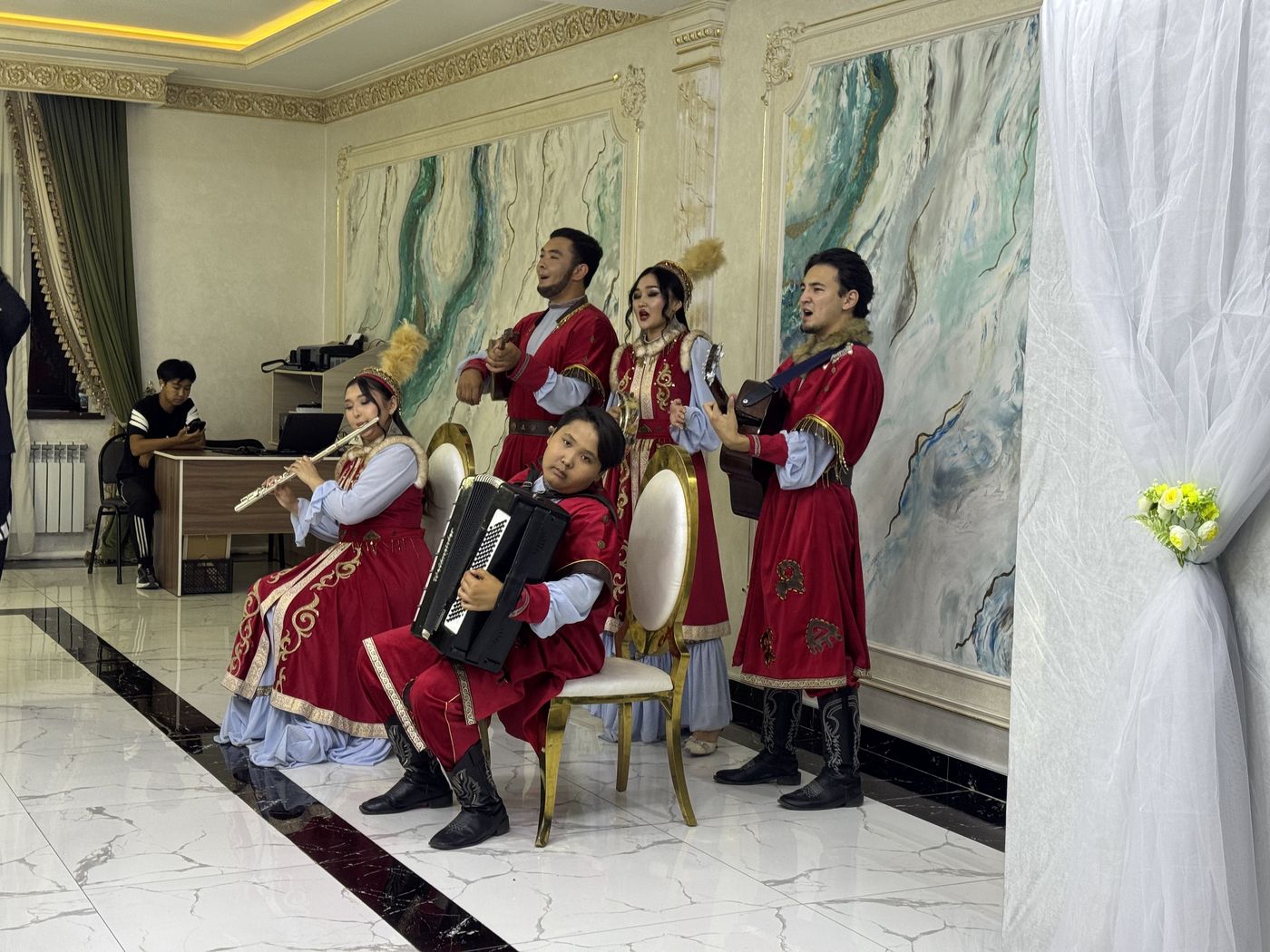
Kazakh weddings can be big occasions, with music, traditional performances and a lot of food.
Horses, nomads and yurts
Horse culture and nomadic heritage are important parts of Kazakh history, and you'll see them everywhere — in food, in stories and in celebrations.
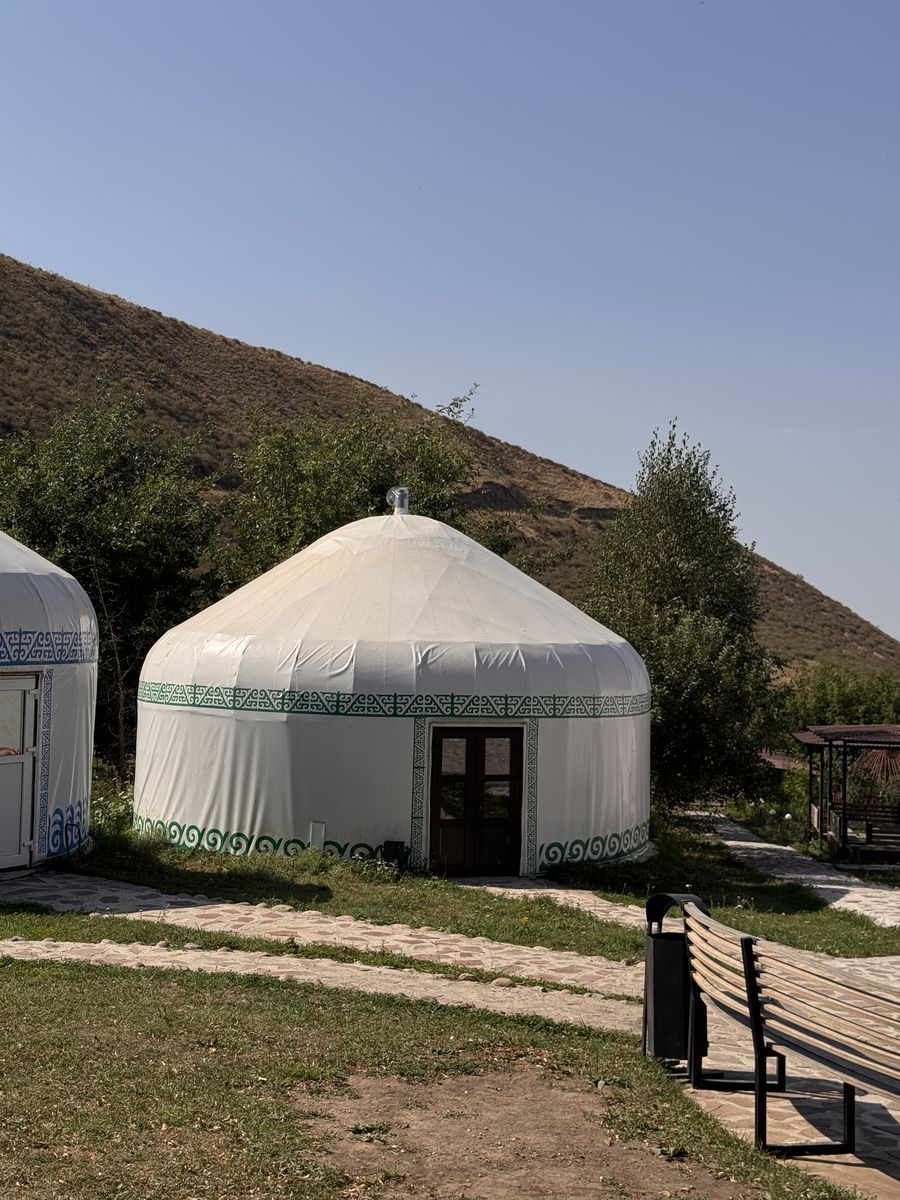
A yurt is a traditional portable home with a felt covering, and you can visit them at ethno-villages and festivals.
Dombra and ornaments
The dombra is a traditional two-stringed instrument that's closely connected with Kazakh music and storytelling.
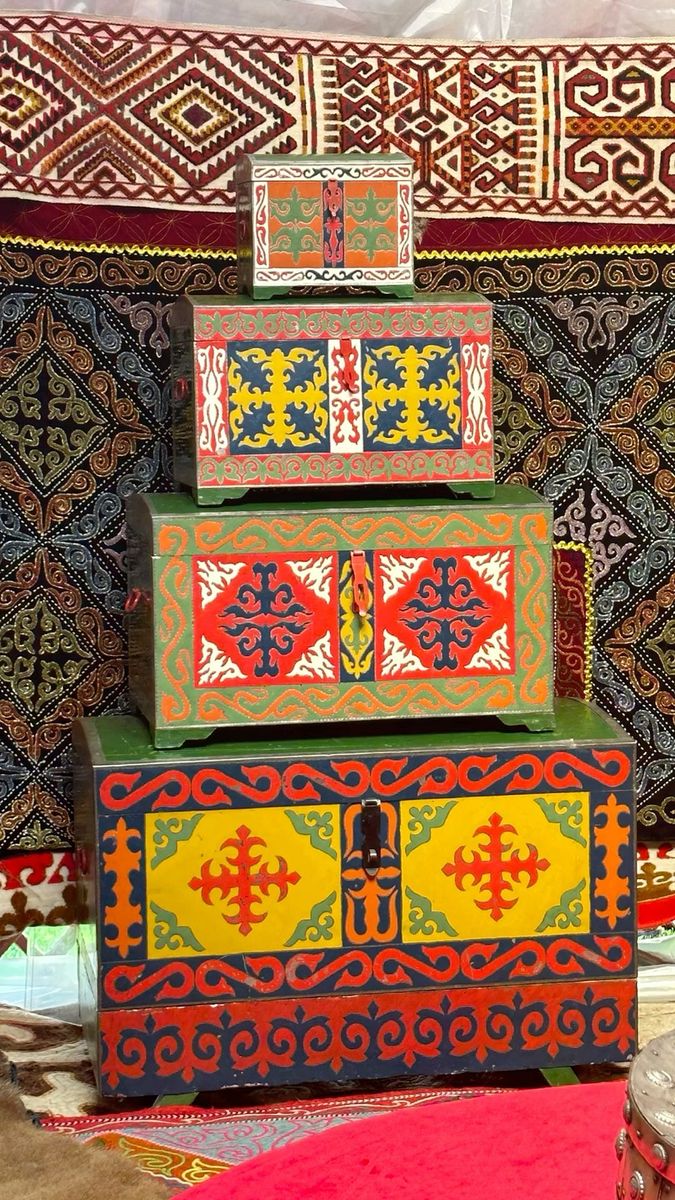
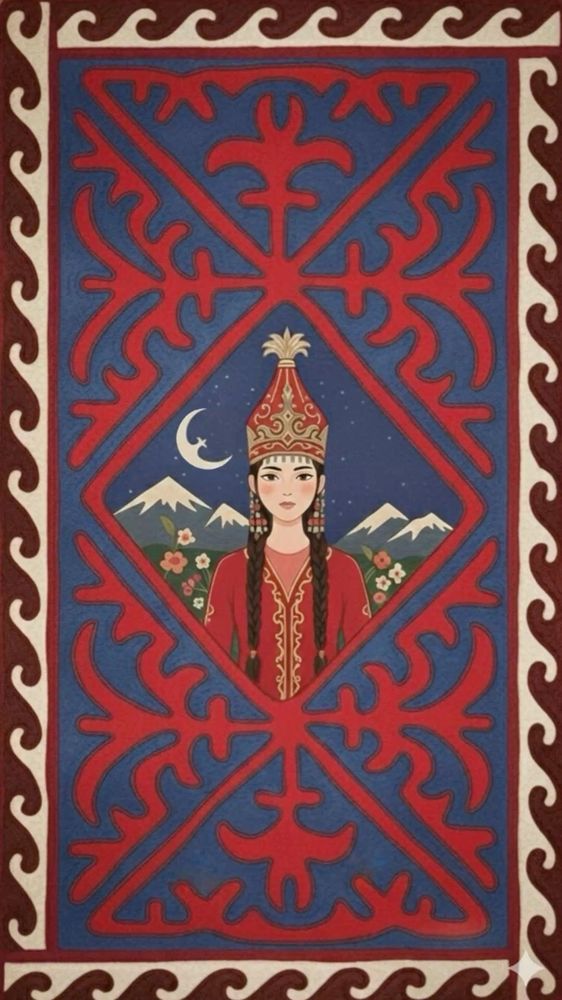
Kazakh ornaments — patterns used on felt, textiles, wood and jewellery — each have their own forms and meanings, and you'll start to recognise them once you look.
Regional and cultural diversity
Different regions have their own food, dialects and customs, and Kazakhstan is home to many communities. Try not to generalise from one place or one family.
A few Kazakh phrases
Learning even one or two of these is appreciated. The Latin spellings below follow the common modern style; you may see others.
Sälem — Hello
Сәлем
Raqmet — Thank you
Рақмет
Sau bol — Goodbye (informal)
Сау бол
Qansha turady? — How much does it cost?
Қанша тұрады?
Qaida? — Where?
Қайда?
Qashan? — When?
Қашан?
Practical Tips
- Take your shoes off at the door unless told otherwise.
- Bring a small gift if you're invited to a home.
- When in doubt, ask — people are usually happy to explain.
Frequently Asked Questions
Kazakh culture is warm and welcoming — and customs vary by family, region and generation, so no custom is universal.
Hospitality is central: guests are often offered tea and plenty of food. In many homes people take their shoes off at the door, and many guests bring a small gift when invited.
Respect for elders is important in many families.
When in doubt, ask. People are usually happy to explain.
Last reviewed October 2026
Sälem — Hello. Raqmet — Thank you. Sau bol — Goodbye (informal).
Qansha turady? — How much does it cost? Qaida? — Where? Qashan? — When?
Latin spellings of Kazakh vary, so you may see these written slightly differently.
Last reviewed October 2026
Kazakh is the state language, and Russian is also widely used.
You'll find English in tourism and in parts of the bigger cities, but don't expect everyone to speak it.
Even learning "Sälem" and "Raqmet" goes a long way.
Last reviewed October 2026
Start with the Kazakh classics: beshbarmak, qazy, baursak, kurt and qurdak. Then try the drinks — qymyz, shubat and Kazakh tea.
You'll also see dishes shared across Central Asia, such as manty, lagman, plov and samsa — Kazakhstan's food culture is multicultural.
My advice? Try the things you don't recognise. That's usually the interesting part.
Last reviewed October 2026
Related Guides
Cultural Experiences in Kazakhstan
What visitors may be able to experience through Dinara Nomad — and what is confirmed, what is in development, and what is just inspiration.
Read the Full Guide →What to Eat in Kazakhstan
The dishes and drinks I'd tell you to try.
Read the Full Guide →Best Time to Visit Kazakhstan
There isn't one best month for the whole country — here's how I'd choose the season based on what you want from your trip.
Read the Full Guide →